
01
Start with your family rhythm
Write down the hours you need, a realistic journey time and the people who can drop off or collect your child. Decide what is essential and where you have flexibility: daily hours, distance, an approximate start date and your preferred way to communicate. These points can shorten the list without turning the choice into a complicated ranking exercise.
02
See the setting on an ordinary day
During a visit, notice whether the atmosphere feels calm and whether adults speak to children attentively. Ask how many children are in a group, who works directly with them and what an ordinary day looks like. Request examples of parent communication and how the team handles questions. You do not need to decide on the spot: a visit is also a chance to discover which new questions matter to you.
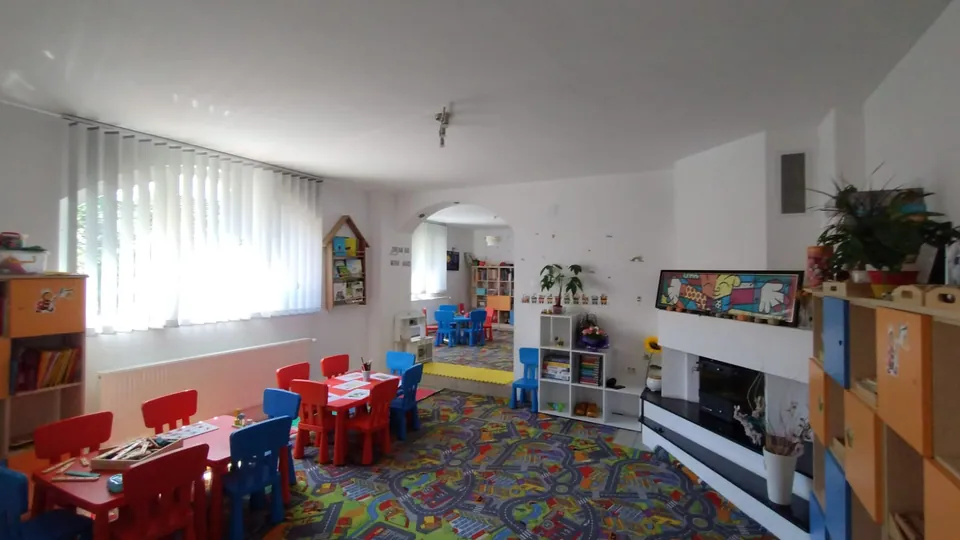

ChildCare.gov: general English resource about visits and observations.
03
Compare answers, not perfect impressions
After each conversation, note what you learned and what remains unclear. Request pricing and included services in writing, then check whether any additional costs are explained. Compare settings against the same family priorities rather than the number of promises made. If an answer is vague, return with one specific question before you take the next step.
✓
A short comparison list
Checking items is optional. This checklist does not send data to the centre.